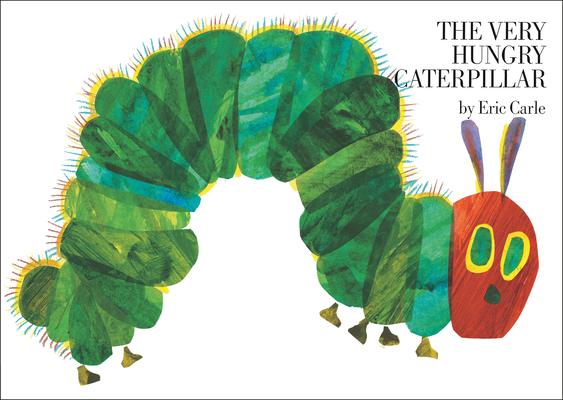

Today’s lesson with the second graders brought lots of excitement for both the students and me. The lesson focused on the changes a caterpillar makes after it’s born. Before entering the school today, I was not positive myself of what stage the caterpillars would be in; this definitely was a challenge when planning the lesson. I assumed the caterpillars would be in chrysalis form, since they were growing at a fast rate, but when working with live insects you never can be positive what is going to occur. I was pleased to see that the caterpillars were doing well, and that the students were able to observe the amazing changes a caterpillar makes in just a few weeks. Lindsay and I started off the lesson reviewing what we covered last week. I read The Very Hungry Caterpillar, by Eric Carle to the class to review what caterpillars need to grow and survive; it really got the students engaged and the lesson off to a great start. One of the major focus points of this week’s lesson was to maintain a good flow. I feel Lindsay and I were able to do this by creating a lesson that had a good balance between instruction time and exploration, and having a lesson that was centered around one key question. We were able to use the book, The Very Hungry Caterpillar, not only to recap what we were doing, but to set us up for our next activity. The book discussed how caterpillars changed, so we had a mini discussion, and then had the students go and observe their caterpillar cups for any changes that occurred. The students observed the caterpillars in chrysalis form. The observation activity then led us to our discussion on what a chrysalis is, and how a caterpillar molts. Each component of our lesson plan had a purpose and connected to the key question, which made the lesson focused; and as a result our lesson had a nice flow. I also believe our lesson ran smoothly since we were prepared had our materials organized.
Another focus point to our lesson was vocabulary. Lindsay and I taught the students three new tier three vocabulary words. During our instruction about a chrysalis, we introduced the students to the vocabulary words: molting, exoskeleton, and chrysalis. We wrote the words on the white board, and referred to them when we were answering the students’ questions about the changes they observed their caterpillars making. I found it beneficial to only introduce a small number of new words, and discuss them in context, because it was easier for the students to get a good grasp on their meaning.
 Also during the instruction of the chrysalis, we identified the misconceptions students had about caterpillars forming a cocoon. Lindsay and I discussed that unlike the caterpillar from The Very Hungry Caterpillar, our Vanessa Cardui caterpillars do not spin a cocoon, rather they molt their skin and form a chrysalis. I found that the students were able to grasp this concept well, since we linked the new information to their background knowledge. To check whether students understood what we taught, Lindsay and I had the students answer the key question a slip of paper. By collecting this data, Lindsay and I will be able to inform our instruction for next week, and whether we need to readdress the changes a caterpillar goes through to form a chrysalis. We found a book in which we plan to introduce at the beginning of next class, to review what we already learned.
 Thus far I have had an excellent experience teaching science, and the biggest thing I have learned that is each lesson should start by igniting students’ prior knowledge, be focused around one key question, and end by answering the key question/getting the students excited about what is coming up next.

Alisha,
ReplyDeleteSounds like you and Lindsay are doing a great job. You are correct that each lesson should be centered around a question, should start by igniting students' prior knowledge, and end by revisiting the focus question. I have heard all of the caterpillar people talking about being flexible with the arrival of each lesson, and it seems that you and Lindsay exemplify flexible. Other than the problem with the caterpillars, are there any other problems you and Lindsay are encountering?
Mike
Mike,
ReplyDeleteNo disaster stories yet thankfully! We have had a noisy classroom at some points, but our teacher has great cueing systems in place, so gaining back the classroom's attention has not been too bad.
Hi Alisha,
ReplyDeleteThe Hungry Caterpillar was the perfect book for your lesson! I forgot how Eric Carle uses cocoon rather than chrysalis in the story- what a perfect way to address the misconception about cocoons and chrysalises! It sounds like you guys had an exciting lesson that the students learned alot from and enjoyed!
Alisha- love the fact that you used The Hungry Caterpillar for your lesson. I think Aliha and I are going to read it next week when (hopefully) the butterflies have emerged. You and Lindsey are doing a great job, and I like the way you handled the new vocabulary words by making connections and using them in context! Fabulous.
ReplyDeleteHooray for common core! Bonus points for you missy! I really like the lesson, ecspecially that you were able to tie in some useful literature for the students. I think you and all the butterfly unit people have done a wonderful job keeping the unit alive. After the power outages and bad weather, and many many unexpected inconviences, you were able to stay on top of things. Kudos to you!
ReplyDeleteI agree Alisha, planning the lessons have been rather tricky not knowing what phase of life the caterpillars (ect.) will be in at the time of the lesson but it sounds like you and Lindsay are doing a great job! For future classes/students teaching about the life cycle of a butterfly or other metamorphosing animal, I would suggest that they keep a couple of the extra caterpillars with them just to get an idea of where they are in the process.
ReplyDeleteAlso, great job on incorporating children's literature into your lesson. Using the books seems like it was a great way to address the misconception about a cocoon/chrysalis. It provided a concrete example of why many students might already believe this misconception and yet addresses it in a way that does not demean the students (if that makes sense). Great job!
In addition it sounds like the students enjoyed the book; maybe it will get them more interested in reading informational texts or at least books related to science. Good luck with your future lessons!
I like how you were able to incorporate literature into your lesson. It's great that your story provided a misconception that you were able to address during your lesson. I think using literature in general is a good way to grab the student's interest. You and Lindsay are doing a great job.
ReplyDelete