The Butterflies Make Their Debut

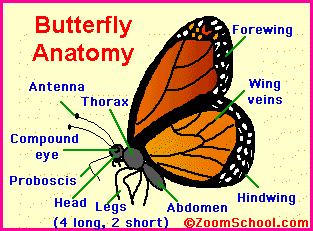 In order to teach students about the parts of a butterfly and incorporate technology, which was one of the focus points of the lesson, Lindsay and I created a transparency to use on the overhead. We had the students work with us to label all of the parts of a butterfly on the board. This was a very visual activity, as well as an auditory one. We also used this instructional time, to have students make connections between the caterpillar parts they already learned, and the parts of a butterfly. We taught them how some parts of the caterpillar has changed when it turned into a butterfly. The students found the changes to be super interesting and they asked some very thoughtful questions, which Lindsay answered brilliantly. This activity provided a review of the parts of a caterpillar as well as introduced the parts of a butterfly.
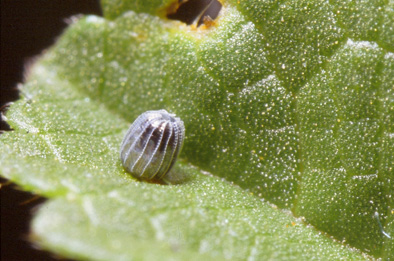 During the next portion of our lesson, we incorporated writing. We asked the students to observe their butterflies and draw what they saw; we also had them write where they thought their butterfly was going to go once it was let free, and what they thought their butterfly might do. I was awed to see that several students wrote that their butterflies were going to lay eggs on a mallow plant. They already seemed to be grasping the idea of a life cycle. I was surprised that they remembered most of the information we taught them a few weeks back about caterpillars being born from an egg, and the mallow plants they eat. Having the students write about science was a good tool to assess whether they were grasping some of the big ideas we were teaching them. It informed Lindsay and I what we should incorporate into our next lesson about the life cycle, and our one after that about migration. Some students seemed to have a good hold on both concepts already, but others need more explicit instruction to gain a deeper understanding. I am already looking forward to next week! :)

Alisha, sounds like you and Lindsay are doing an incredible job teaching your 2nd graders! Hearing your students recall information from last lesson is always good to hear! It's great that you connected the butterfly parts with the caterpillar parts, Katelyn and I did the same thing. It worked as a great review and also made great connections for the students. Seemed like a great writing portion you did with your students and it really seems they understand the concept of the life cycle! They will be so ready for the life cycle model next week! Thank you again for letting us borrow your butterfly friends :) Keep up the good work!
ReplyDeleteHi Alisha,
ReplyDeleteIt's amazing how much information your students are retaining about the caterpillars/butterflies. I LOVE what you said about teaching the kids quality lessons rather than quantitative facts. The students had some great ideas about what their butterflies would do once they were free. Good job!
Nice picture! Great minds must think alike =). It is an amazing feeling when your students say something that they learned from you without being prompt. I can't imagine that feeling ever getting old if you actually care about your students. The fact that it brought a smile to your just goes to show how much you care about the students and how great of a teacher you will be!
ReplyDeleteYour incorporation of visuals and activities is astounding. And the connections you make are great. Its no wonder your students are learning so well. I got to say, the quotes that you have about what the students were able to state blow my mind. Great job!
ReplyDeleteTwo things popped out, prior knowledge and real life. What a terrific combination of connections to help students learn.
ReplyDelete