Since the last science lesson I taught to the second graders did not go horribly wrong , I was not so nervous going into it this second time around. The nervous butterflies had flow away, and I was very excited to implement what Lindsay and I had planned for this weeks lesson. Like last week, we came in prepared with a well thought out lesson plan, and activities in which we thought would engage the students. I believe this was the key to our success today. In our lesson planning, we payed close attention to connecting the concepts we were teaching to the MA frameworks, coming prepared with the correct materials, and creating a good introduction.
In order to touch upon our first focal point, of connecting our lesson to a MA framework, Lindsay and I searched for a second grade science framework that seemed critical for our students to learn during the butterfly unit. It is important for a lesson to be linked with a MA framework, to ensure that what is being taught is valid. Lindsay and I decided to create a lesson that tied in with the MA framework that states: "Recognize that people and other animals interact with the environment through their senses of sight, hearing, touch, smell, and taste."
In order to help students understand this concept, we created an activity in which students practiced making scientific observations of pictures of caterpillars with a hand lens. We felt it was important to have students practice the processing skill of observing, before the live caterpillars are delivered to the classroom.

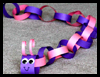
This brings me to the next focus point, materials management. Lindsay and I put a lot of thought into how we would organize our materials in a way that would be time efficient. We learned time is very precious when working in a classroom, and that it is crucial for us not waste it on scrambling for materials. Since we only have an hour allotted to us to teach science every week, we needed to make sure to spend the majority of it on instruction and the activity. For our activity we needed: pictures of an unlabeled caterpillar, a picture of a very small caterpillar, hand lenses, a handout for drawing what a caterpillar looks like, and paper links to create a caterpillar. So before it was time to teach, we made sure we had enough photocopies of each handout, enough strips of paper, and hand lenses for each student in the class. We also organized the materials so they were in easily accessible piles, and in the order in which we would be passing them out. When passing the materials out, Lindsay and I split the piles, and got them distributed in a quick and orderly way. This made the lesson run smoothly.
 The last point of focus for this lesson was an introduction in which would get the students excited right away. To do this, Lindsay and I explained to the students that caterpillars would be getting dropped off at their school next week. Also, we told the students that we needed their help to care for and observe the caterpillars. We discussed how we would not be able to watch the caterpillars every day, and that we needed to find people we could trust to watch after our caterpillars when we are not around. This introduction worked very well, because it made the students feel needed, it got them eager to take on the responsibility of working with caterpillars and made the students realize the importance of practicing making scientific observations.

Hi Alisha,
ReplyDeleteYou made a good point that linking our lessons to the MASS frameworks is important to make sure that what we are teaching is valid. I believe that stating the frameworks in our lesson plans and posting our key questions are necessary steps to take to keep the primary goals of our lessons clear and focused.
It also seems like your materials management went smoothly. I found this to be yet another benefit of co-teaching. It is so helpful to have two pairs of hands to prepare, organize, distribute and collect materials!
I also like how you really involved the students in the arrival of the caterpillars. I think that by enlisting their help in caring for these creatures was a great way to build their sense of responsibility and ownership of the upcoming weeks’ activities!
I'm sure the students are really excited to be getting their real caterpillars soon. I like the activities you planned for them to get them prepared for when they will be working with the caterpillars. It's important to have a handlle on the materials distribution since students can really waste time getting this done.
ReplyDeleteI think your introduction to the lesson is great! What better way to keep the students making inquiries than to have them watch over the caterpillars. Its kind of like the questions that come to us while watching the moon for our science logs.
ReplyDeleteAlisha,
ReplyDeleteI like how you and Lindsay had the students observing caterpillars on paper before they get the real thing. They are going to be that much more excited when the caterpillars arrive! You make a great point that time is precious in a classroom, this is too true! Its definitely more important to spend time on instruction and the activity at hand. I really like the introduction you used. Making the students feel important is a great way to get them interested in a lesson. Also, they'll be eager for class on Monday!